
Wild Animals are not Entertainment, Reiterates World Animal Protection
World Animal Protection has written to the American ambassador, to India, Honourable Mr Sergio Gor, after news reports and photographs indicate that he rode an elephant in Amer Fort/Haathi Gaon in Jaipur in Rajasthan. Whilst wholeheartedly appreciating the endeavour and initiative of the ambassador in promoting and honouring the beauty of the UNESCO World Heritage City of Jaipur, World Animal Protection has requested him to reconsider patronizing this activity that is not only cruel to captive elephants but also potentially risky in terms of zoonosis and aggression to the rider from the elephants. For more than two decades now, World Animal Protection has highlighted the unethical nature of these elephant rides and the cruelty inherent in capturing wild elephants, torturing them and making them amenable for entertainment activities like rides.
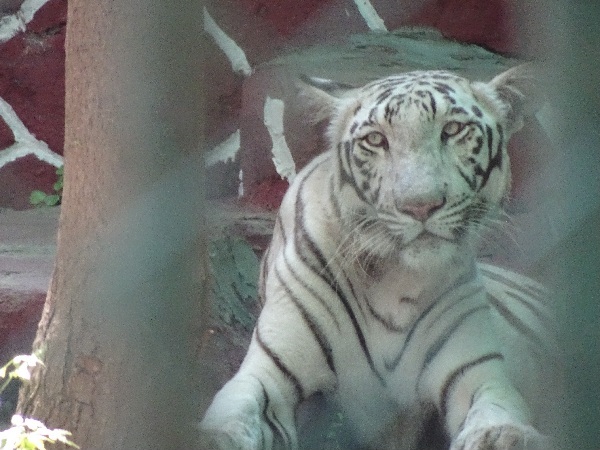 |
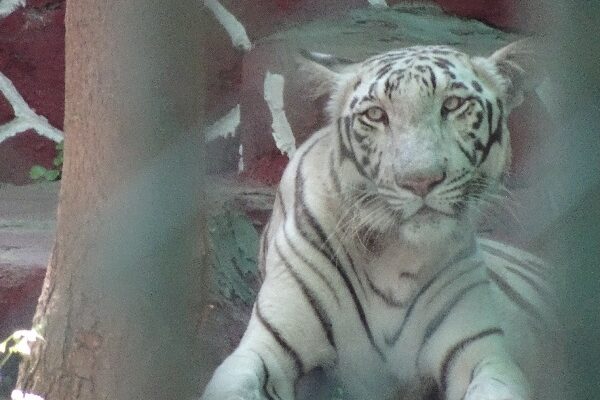
White Tiger in captivity : Shubhobroto Ghosh
For the American ambassador there are many wonderful opportunities to experience the beauty of elephants in India, a country that has revered the creature in art, history, folklore and culture and as the symbol of worship as Ganesha. The National Heritage Animal Of India, with more than sixty percent of their wild population found in India, is found in many national parks and sanctuaries in India where they can be observed in their regal splendor, interacting their own kind and indulging in patterns of behaviour that are similar to our own. Surely, for a representative of a foreign country, it is more befitting to watch these animals as nature intended them to be, rather than in unnatural surroundings where they have been reduced to pathetic caricatures of their natural selves.
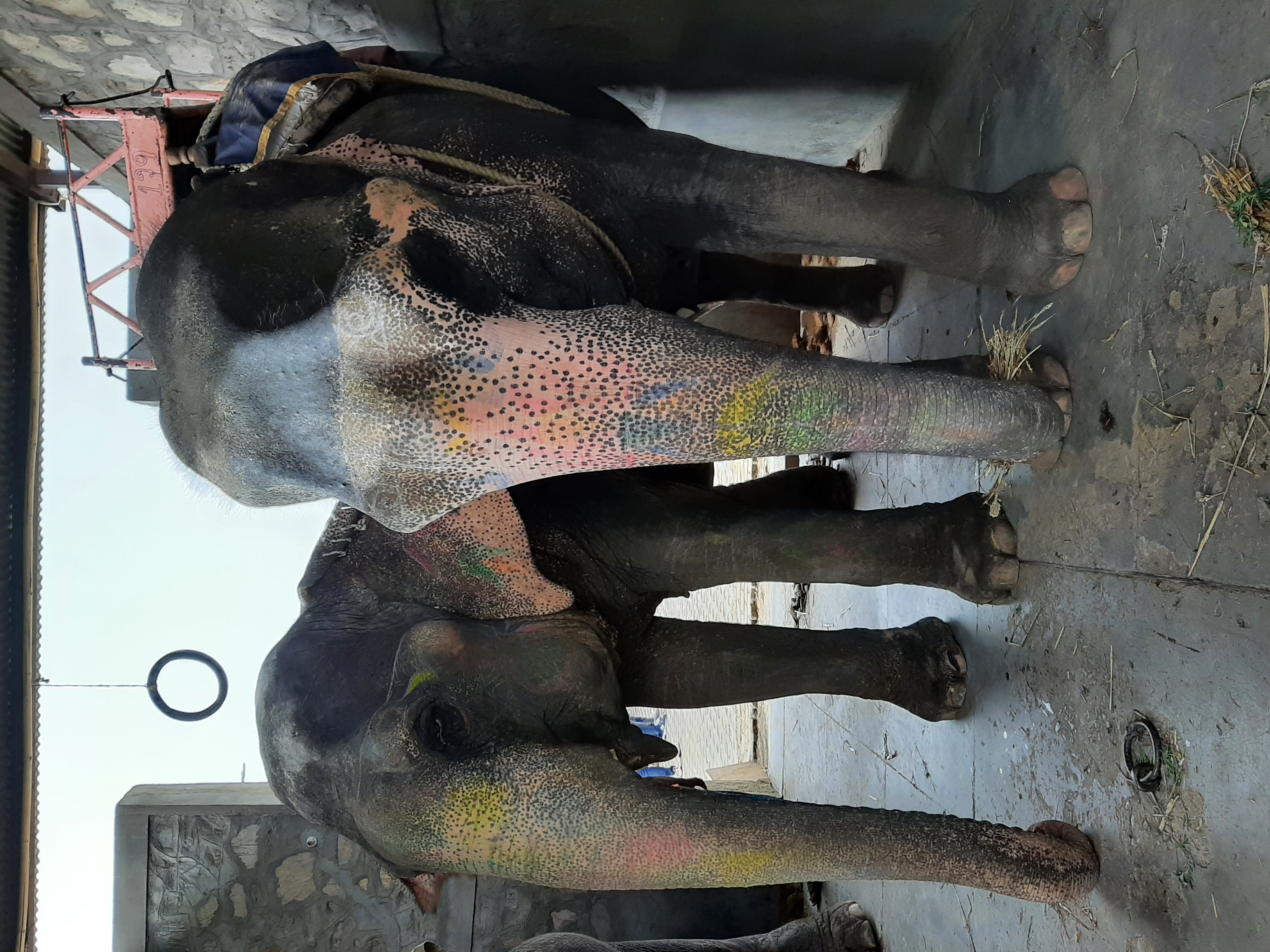 |
Elephants in Haathi Gaon in Jaipur photo credit : Shubhobroto Ghosh
“World Animal Protection requests the representatives of all foreign countries in India, be they officials for tourists, to refrain from patronizing cruel elephant elephant rides, not only in Jaipur, but throughout the country. Wild animals should be admired where they belong in the wild, and India offers rich and diverse opportunities in this regard,” says Gajender Kumar Sharma, Country Director, World Animal Protection in India.
There is also the topic of abuse of captive tigers that has come into media spotlight of late. Seventy two tigers have died in captive facilities in Chiang Mai in Thailand reportedly due to a virus. More than two million Indians visit Thailand every year and numerous Indian tourists visit low welfare captive venues that house tigers in Thailand, to endorse captive animal abuse, specifically to ride elephants and take close up photographs with animals like tigers. The recent incident highlights the focus on the unethical and exploitative nature of this cruel industry that is abusing big cats for profit. With the Big Cat Summit announced to take place in India in 2026, World Animal Protection urges all authorities in the Ministry Of Environment and Forests and Ministry of Tourism to discourage any activities that promote the abuse of big cats in India and abroad, including close encounters with big cats in substandard zoos in countries like Thailand. “World Animal Protection has already exposed the plight of captive tigers in Thailand and continues to remain vigilant to ensure these atrocities do not continue,” says Gajender Kumar Sharma, Country Director, World Animal Protection in India.
There is also concern about the plight of a captive white tiger in Patna Zoo that has been seen to display stereotypic behaviour, a common pattern of behaviour in captive carnivores. World Animal Protection has extensive information and research material on this kind of behaviour that is considered to be the result of prolonged captivity and deprivation of natural stimulants that shape the lives of wide ranging carnivores like tigers. In this regard, World Animal Protection has alerted the Central Zoo Authority to the welfare aspects of this particular tiger, requesting immediate attention to alleviate the animal’s behavioural status and physical health.
In a fast changing and conflict ridden world, the motto of World Animal Protection remains, wildlife belongs in the world.
For more information, please contact : Gajender Kumar Sharma, Country Director, World Animal Protection
Email : gajenderksharma@worldanimalprotection.org.in.
Mobile phone : 9313333283